Vast, the Long Beach-based company developing next-generation space stations, has raised $500 million in new funding to push forward its Haven program. The round comprises $300 million in Series A equity and $200 million in debt, bringing total private investment in the company to over $1 billion.
The financing was led by Balerion Space Ventures, with participation from IQT, Qatar Investment Authority, Mitsui & Co., MUFG, Nikon Corporation, Stellar Ventures, Space Capital, and Earthrise Ventures. Jed McCaleb, Vast's founder and first investor, also joined the round.
Low-Earth orbit has long been the domain of government agencies, but that is changing fast. NASA is preparing for the retirement of the International Space Station around 2030 and needs a commercial replacement already operating by then. Companies like Vast are positioned to fill that gap, offering microgravity research platforms and in-space manufacturing capabilities that government and corporate customers are beginning to pay for.
"The low-Earth orbit economy is at a pivotal inflection point, poised for rapid growth," said Max Haot, CEO of Vast. "Vast's Haven stations are engineered to deliver safe, cost-effective access to microgravity research and in-space manufacturing, empowering government and commercial partners to unlock the full commercial promise of this next era for space."
The new capital will be deployed across three main priorities: expanding Vast's manufacturing facilities, growing a team that already numbers more than 1,000 employees, and advancing Haven-2, the company's proposed long-term successor to the ISS. The goal is to ensure continuous human presence in low-Earth orbit for the United States and its international partners well into the 2030s.
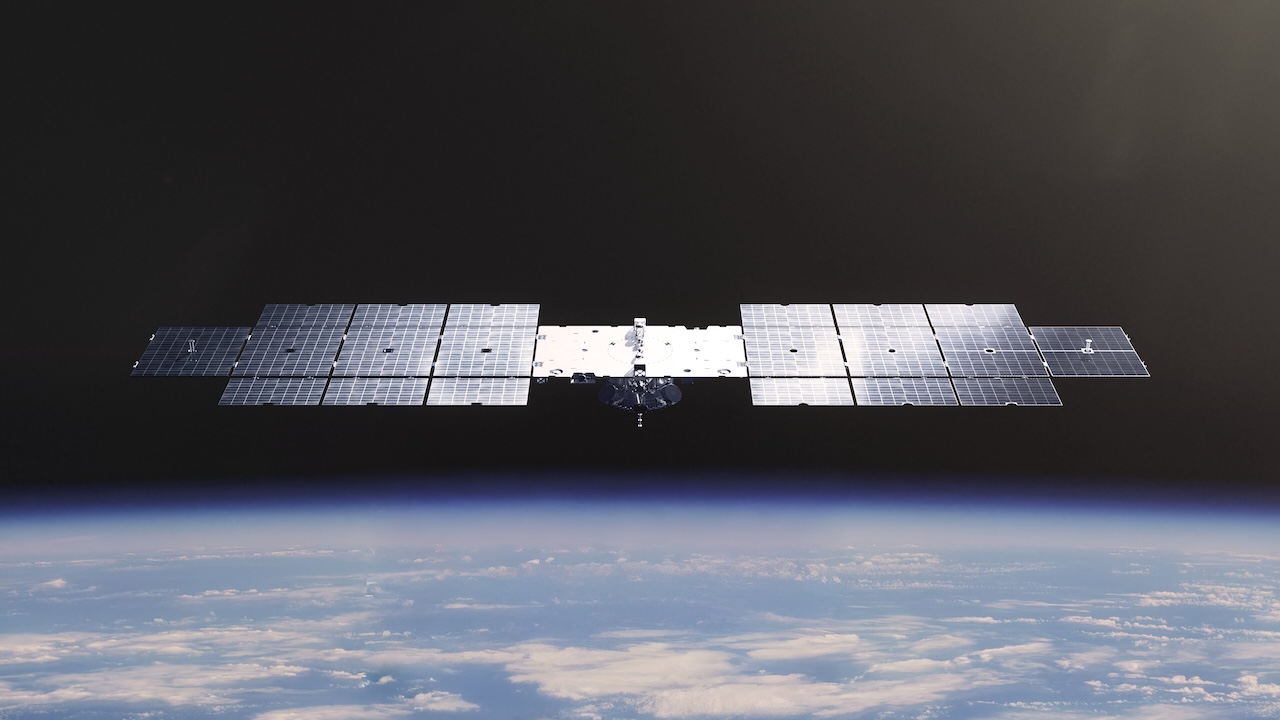
Vast is also working toward three near-term milestones. First is the launch of Haven-1 in 2027, expected to become the world's first commercial space station. Second is a private astronaut mission to Haven-1 won in partnership with NASA. Third is securing the Commercial Low Earth Orbit Destinations Phase 2 bid, a NASA programme to identify and fund its future station partner.
Vast was founded in 2021 by Jed McCaleb, an entrepreneur best known as a co-founder of the Ripple and Stellar blockchain networks. The company operates from Long Beach, California, and has built its own facilities for manufacturing, testing, and operating spacecraft. Its approach is intentionally incremental: design, build, test with real hardware, iterate.
That approach produced a notable result last month. Haven Demo, an in-orbit testbed Vast designed and flew to validate space station technologies, successfully completed its mission and was deorbited on schedule. The flight made Vast the only commercial space station company to have designed, built, and operated its own spacecraft. It also reduced technical risk for Haven-1 by testing key systems in the real environment.
The company's vertically integrated manufacturing model has already delivered a 10x reduction in primary structure manufacturing costs compared to traditional space station programmes. That kind of cost discipline matters: the ISS cost NASA and its partners well over $100 billion to build and operate. Vast is betting it can deliver something comparable at a fraction of that price.
A.C. Charania, a Balerion advisor and former Chief Technologist for NASA, will join the Vast board as part of the transaction. His appointment signals the strategic weight investors are placing on the company's government relationships, particularly as NASA begins making final decisions about its post-ISS future.
"Haven stations will play a critical role in sustaining a continuous human presence in orbit," said Charania. "Vast's engineering excellence and global vision set them apart."
Jed McCaleb, who participated in this round as both founder and investor, framed the funding in broader terms. "Vast was founded with a long-term vision of billions of people living and thriving in space," he said. "It is exciting to welcome additional investors who recognize Vast's long-term potential and share our belief in making this vision a reality."
With this funding, Vast's roadmap extends well beyond Haven-1. The company has plans for dedicated government space stations, future habitats on the Moon and Mars, and other crewed systems. Whether those ambitions materialise will depend on what happens between now and the 2027 launch. But the engineering progress to date suggests Vast is further along than most.